Many people look for simple and affordable ways to manage everyday health problems without immediately turning to medications. Minor issues such as colds, headaches, skin irritation, or digestive discomfort can often be handled using natural solutions available at home. Natural home remedies use herbs, kitchen ingredients, and traditional wellness practices that have been trusted for generations.

This guide explains how these remedies work, how to use them safely, and which options are most effective for common health concerns. Readers will learn practical, easy-to-follow remedies that support overall wellness while promoting natural healing.
Quick Answer / Overview Box
Natural home remedies are treatments that use natural ingredients to relieve common health problems. Popular examples include:

- Honey and ginger for cough and sore throat
- Turmeric milk for immunity and inflammation
- Aloe vera for skin care and burns
- Ginger tea for digestion and nausea
- Steam inhalation for congestion relief
Table of Contents
- What Are Natural Home Remedies and Why They Matter
- Step-by-Step Guide to Using Natural Remedies Safely
- Required Ingredients and Basic Eligibility
- Benefits and Features of Natural Remedies
- Common Problems and Practical Solutions
- Expert Tips for Best Results
- Frequently Asked Questions
- Conclusion
What Are Natural Home Remedies and Why They Matter
Natural home remedies are traditional treatments that use plant-based ingredients, herbs, spices, and natural products to treat minor health issues. These remedies have been part of many cultures for centuries and continue to remain popular because of their accessibility and gentle healing properties.

The importance of natural remedies lies in their ability to support the body’s natural healing process. Many everyday ingredients like honey, turmeric, lemon, and ginger contain antibacterial, anti-inflammatory, and antioxidant properties. When used correctly, they help relieve symptoms and improve overall health.
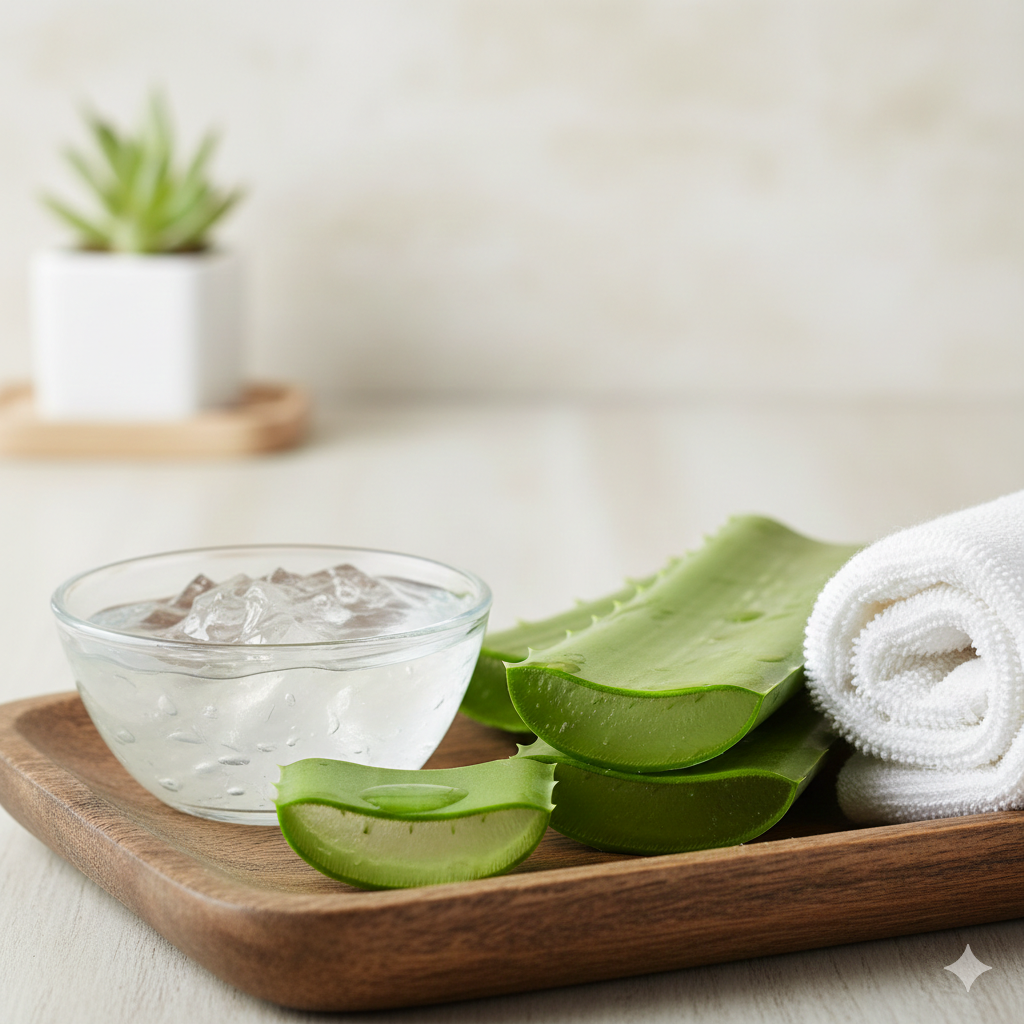
People often prefer natural remedies because they are affordable, easy to prepare, and usually have fewer side effects compared to synthetic medications. However, they are best suited for mild conditions and general wellness support rather than serious medical emergencies.
Step-by-Step Guide to Using Natural Remedies Safely
Step 1: Identify the Health Problem
Start by understanding the symptoms. Natural remedies are most effective for mild conditions such as colds, minor infections, stomach discomfort, or skin irritation.

Step 2: Choose the Right Remedy
Different remedies work for different health problems. For example:
- Ginger tea helps reduce nausea and supports digestion.
- Honey and warm water soothe throat irritation.
- Aloe vera gel calms skin burns and dryness.
Step 3: Use Fresh and Quality Ingredients
Always use fresh herbs, organic spices, and clean water to ensure maximum effectiveness and safety.
Step 4: Follow Proper Preparation Methods
Correct preparation is important. For instance, boiling ginger properly extracts its beneficial compounds, while applying fresh aloe vera gel directly ensures better skin healing.
Step 5: Monitor Your Body’s Response
Observe how your body reacts after using a remedy. Stop immediately if any irritation or allergic reaction occurs.
Step 6: Seek Medical Advice When Necessary
Natural remedies support wellness but are not substitutes for professional medical treatment in severe or persistent conditions.
Required Ingredients and Basic Eligibility
Common Ingredients Used in Natural Remedies
- Honey
- Turmeric
- Ginger
- Garlic
- Lemon
- Aloe vera
- Herbal teas
- Coconut oil
Who Can Use Natural Remedies
Most adults can safely use natural remedies for minor health concerns. However, the following groups should consult a healthcare professional before use:

- Pregnant or breastfeeding individuals
- Children and elderly individuals
- People with chronic health conditions
- Individuals with known allergies
Benefits and Features of Natural Remedies
1. Cost-Effective
Natural remedies often use ingredients already available at home, making them budget-friendly compared to medical treatments.
2. Fewer Chemical Side Effects
Because these remedies rely on natural substances, they are generally gentler on the body when used properly.
3. Easy to Prepare
Most remedies require simple preparation methods such as boiling, mixing, or direct application.
4. Holistic Healing
Natural treatments often support overall health rather than targeting a single symptom. For example, turmeric milk not only helps with inflammation but also boosts immunity.
5. Supports Preventive Health
Regular use of certain natural remedies can strengthen immunity and reduce the chances of illness.
Common Problems and Practical Solutions
Cold and Flu
Remedy: Ginger and honey tea
How It Helps: Ginger reduces inflammation and clears nasal passages, while honey soothes throat irritation.

Digestive Issues
Remedy: Warm lemon water
How It Helps: Lemon stimulates digestive enzymes and supports detoxification.
Skin Irritation and Burns
Remedy: Fresh aloe vera gel
How It Helps: Aloe vera cools the skin and promotes faster healing.
Headaches
Remedy: Peppermint oil massage
How It Helps: Peppermint oil relaxes muscles and improves blood circulation.
Sleep Problems
Remedy: Warm turmeric milk
How It Helps: Turmeric and milk promote relaxation and support better sleep quality.
Expert Tips for Best Results
- Always perform a patch test before applying any natural ingredient to the skin.
- Use remedies consistently but avoid excessive use.
- Store herbal ingredients properly to maintain freshness.
- Combine remedies with healthy lifestyle habits such as balanced nutrition and hydration.
- Avoid mixing too many remedies at once to prevent unwanted reactions.
- Pay attention to dosage, as even natural ingredients can cause side effects if overused.
Frequently Asked Questions
1. Are natural home remedies safe for everyone?
Natural remedies are generally safe for most people, but individuals with allergies, chronic diseases, or special medical conditions should consult a healthcare professional before use.
2. How long do natural remedies take to show results?
Results depend on the health issue and consistency of use. Some remedies provide relief within hours, while others may take several days.
3. Can natural remedies replace medical treatment?
Natural remedies are helpful for mild conditions and wellness support. Serious or persistent health problems require professional medical care.
4. Are there side effects of natural remedies?
While rare, side effects can occur if ingredients are used incorrectly or in excessive amounts. Allergic reactions are also possible.
5. Which natural remedy is best for boosting immunity?
Turmeric milk, honey, ginger tea, and lemon water are widely recognized for supporting immune health.
6. How should natural remedies be stored?
Fresh ingredients should be refrigerated if required, while dry herbs and spices should be stored in airtight containers away from moisture.
Conclusion
Natural home remedies provide simple and effective ways to manage everyday health concerns using easily available ingredients. They support the body’s healing process, offer cost-effective treatment options, and promote preventive health care. When used responsibly and combined with healthy lifestyle habits, these remedies can significantly improve overall wellness. Understanding proper preparation methods and recognizing when to seek medical help ensures safe and beneficial use. Exploring natural remedies allows individuals to take a proactive role in maintaining their health naturally and sustainably. Click here to read more about Natural Home remedies.