Many Americans follow national policy announcements but often struggle to understand what new proclamations mean, who they affect, and why they matter. When President Donald Trump signed a proclamation establishing National Angel Family Day, it immediately drew national attention. The announcement, made alongside grieving families including the mother of Laken Riley, introduced February 22 as a national day of remembrance.
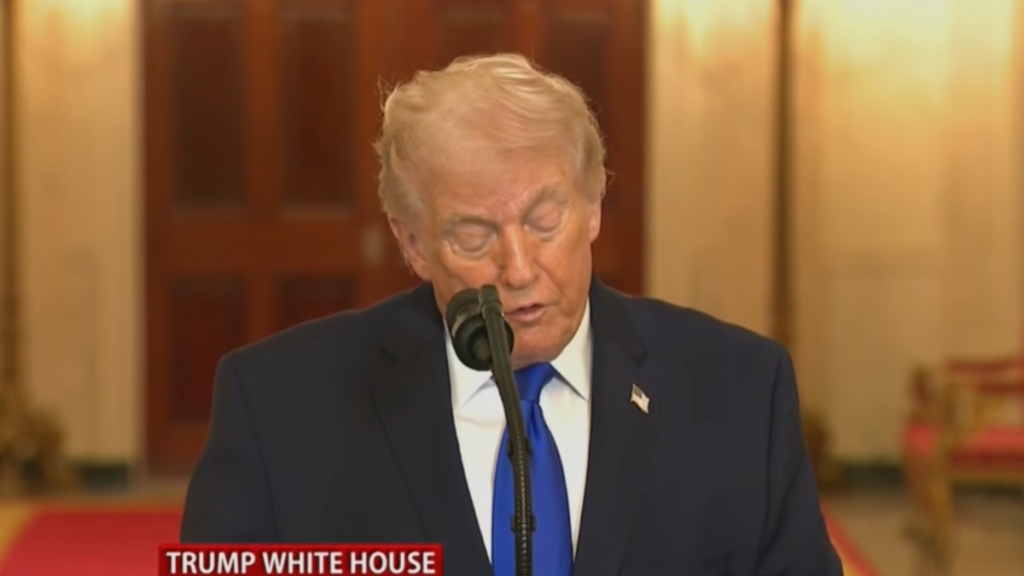
This guide explains what National Angel Family Day represents, why it was created, how presidential proclamations work, and what the designation means for families and communities across the country.
- What happened? A presidential proclamation established National Angel Family Day.
- Date observed: February 22 each year.
- Purpose: To honor Americans killed by individuals in the country illegally.
- Who was present? Families of victims, including Laken Riley’s mother.
- Impact: Symbolic national recognition and remembrance.
Table of Contents
- What Is National Angel Family Day?
- Why the Proclamation Matters
- How Presidential Proclamations Work
- Key Moments From the Signing
- Who Are Angel Families?
- What February 22 Represents
- Benefits and National Significance
- Common Questions and Concerns
- Expert Insights
- FAQ
- Conclusion
What Is National Angel Family Day?
National Angel Family Day is a federally recognized day of remembrance created through presidential proclamation. The term “Angel Families” is commonly used to describe families who have lost loved ones to crimes committed by individuals who were in the country illegally at the time of the offense.
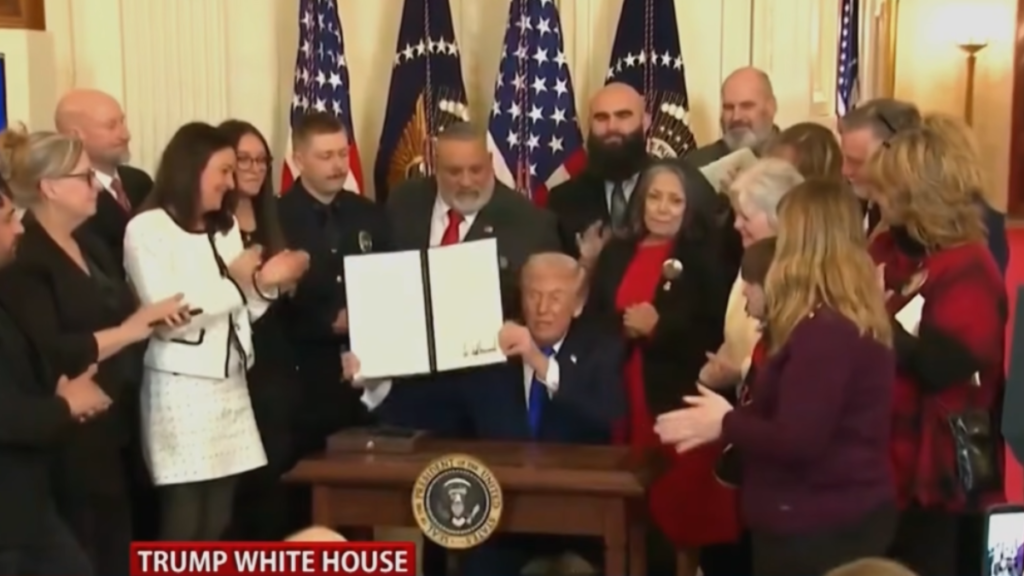
The proclamation designates February 22 as the official day of remembrance. While it does not create a federal holiday or mandate closures, it formally acknowledges affected families at the national level.
Why It Was Created
The stated purpose of the proclamation is to ensure that victims are remembered and that families feel recognized by their government. By establishing a named day of remembrance, the administration aimed to bring visibility to the issue and provide symbolic support to grieving relatives.
Why the Proclamation Matters
Presidential proclamations carry symbolic weight. While they do not automatically change federal law, they signal national priorities and can shape public conversation.
National Recognition
For families who have experienced loss, official recognition from the president and the federal government can be meaningful. It moves their stories from local headlines to national acknowledgment.
Policy Context
Immigration enforcement and border security remain major topics in U.S. political debate. The proclamation connects remembrance with broader policy discussions surrounding public safety and immigration law enforcement.
Public Awareness
National days of remembrance often encourage media coverage, community events, and public dialogue. This designation ensures that February 22 may serve as an annual point of reflection.
How Presidential Proclamations Work
Understanding how proclamations function helps clarify what National Angel Family Day does—and does not—do.
Step 1: Drafting the Proclamation
Proclamations are typically prepared by administration officials and legal advisors. They outline:
- The purpose of the designation
- The historical or social context
- The official declaration language
Step 2: Presidential Signature
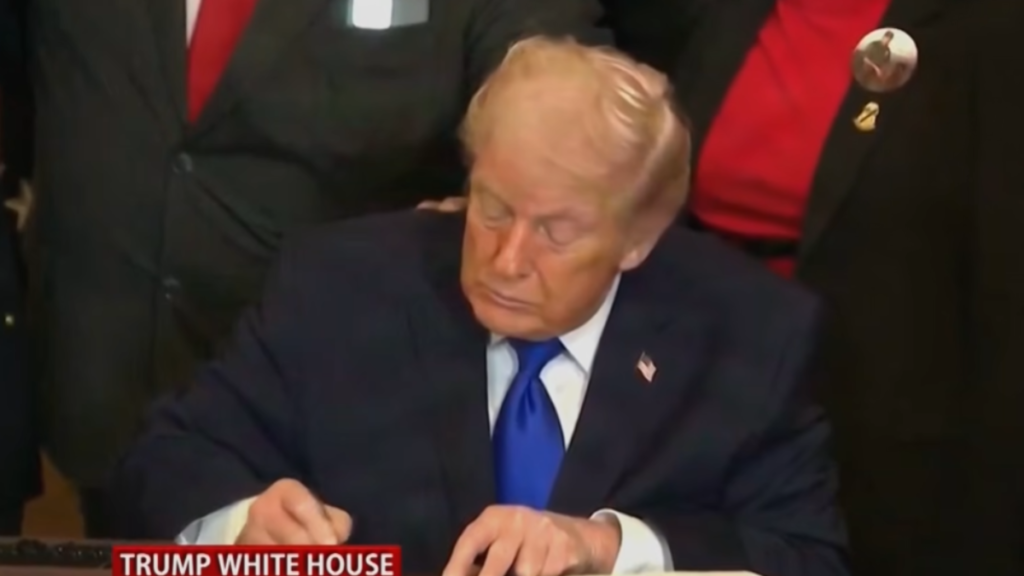
Once finalized, the president signs the proclamation. It is then publicly released through official government channels, often via the White House.
Step 3: Public Announcement
In this case, the signing was accompanied by remarks and the presence of grieving parents, including the mother of Laken Riley. The ceremony underscored the emotional and symbolic significance of the day.
Step 4: Annual Observance
The proclamation encourages Americans to observe the day with appropriate activities, reflection, or remembrance events, though participation is voluntary.
Key Moments From the Signing
The proclamation ceremony included emotional testimony and public statements emphasizing remembrance and commitment.
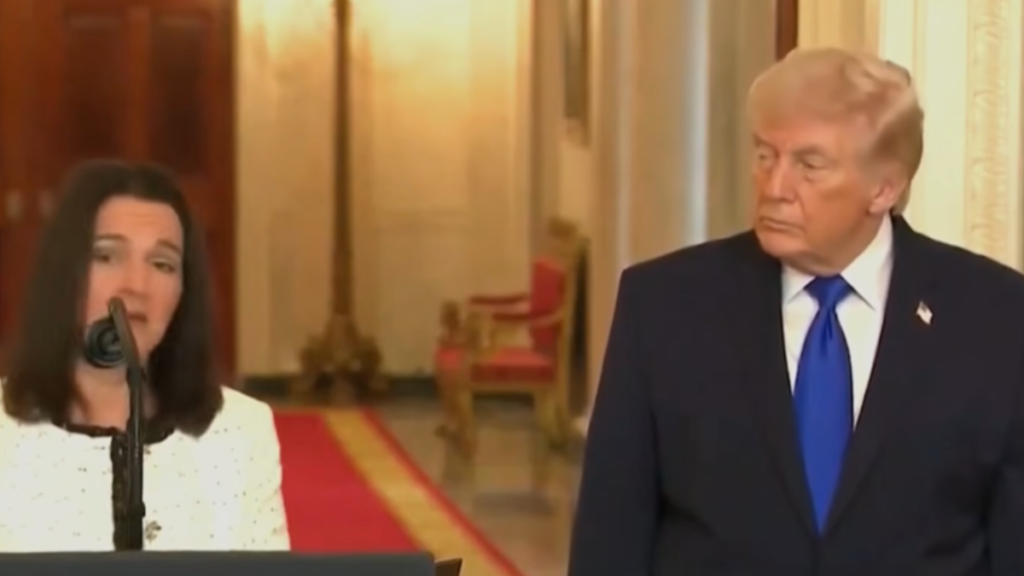
Families of victims stood alongside the president, reinforcing the human dimension behind the announcement. The presence of parents who had lost children added gravity to the event and placed individual stories at the center of the national message.
The president stated that their loved ones would “never be forgotten,” framing the day as a permanent recognition rather than a temporary gesture.
Who Are Angel Families?
The term “Angel Families” refers to families whose loved ones were killed in crimes committed by individuals in the country illegally.
Characteristics of Angel Families
- They have experienced the loss of an immediate family member
- The crime involved an individual without lawful immigration status
- They often advocate for immigration enforcement reforms
Many Angel Families have previously appeared at policy discussions, press conferences, or congressional hearings related to border security and public safety.
What February 22 Represents
Designating February 22 creates a recurring national observance. Unlike federal holidays, it does not require business closures or government office shutdowns.
Instead, it serves as:
- A day of remembrance
- A moment for families to gather
- An opportunity for public statements or community events
- A point of reflection on public safety policy
For supporters, the date symbolizes national acknowledgment. For others, it remains part of broader debates about immigration and crime policy.
Benefits and National Significance
Although primarily symbolic, the establishment of National Angel Family Day carries several potential impacts.
1. Emotional Validation for Families
Public recognition can help grieving families feel seen and heard. National acknowledgment often validates their loss in a way local coverage cannot.
2. Increased Public Awareness
The observance may prompt annual media coverage, keeping attention on victim stories and related policy issues.
3. Policy Visibility
While the proclamation itself does not change immigration law, it reinforces the administration’s stance on enforcement and border control.
4. Historical Record
Presidential proclamations become part of the public record. Future administrations and policymakers may reference them when discussing related legislation or public safety measures.
Common Questions and Concerns
Whenever a new national observance is created, questions naturally follow.
Is It a Federal Holiday?
No. National Angel Family Day is not a federal holiday. Government offices and businesses remain open.
Does It Change Immigration Law?
No. A proclamation does not automatically alter federal statutes. Legislative changes would require congressional action.
Will There Be Official Events?
Observances may vary by year. The proclamation encourages remembrance, but participation depends on communities and organizations.
Is It Politically Controversial?
Immigration policy is a deeply debated issue in the United States. As a result, the establishment of this day may generate differing reactions depending on political perspectives.
Expert Tips: Understanding National Observances
If you’re trying to interpret the significance of a presidential proclamation, keep these practical points in mind:
Separate Symbolism From Legislation
A proclamation primarily expresses values and recognition. It does not carry the force of statutory law unless tied to existing legislation.
Watch for Long-Term Patterns
Some national observances fade from attention, while others become annual fixtures. Media coverage in future years will indicate its lasting impact.
Follow Official Sources
For accurate information, refer to official releases and transcripts. This helps avoid misinformation or misinterpretation.
Understand Broader Context
National days often connect to wider policy conversations. Observing how lawmakers reference the day in future debates can offer insight into its evolving role.
FAQ
What is National Angel Family Day?
National Angel Family Day is a presidentially designated day of remembrance held on February 22 to honor Americans killed by individuals in the country illegally.
Who was present at the signing?
The proclamation signing included grieving parents, including the mother of Laken Riley.
Does the observance require states to hold events?
No. Participation is voluntary, and states or communities may choose how—or whether—to mark the day.
Is this a permanent designation?
Presidential proclamations remain part of the official record. However, future administrations can choose how actively to observe or emphasize the day.
Why February 22?
The proclamation designated February 22 as the annual day of remembrance. Specific reasons for the date may relate to administrative decisions or symbolic considerations.
Conclusion
The establishment of National Angel Family Day designates February 22 as a national moment of remembrance for families who have lost loved ones in crimes committed by individuals in the country illegally. Through a formal presidential proclamation, the day provides symbolic recognition and national visibility to grieving families.
While it does not alter immigration law or create a federal holiday, the observance adds a recurring date to the national calendar focused on remembrance and reflection. As February 22 approaches each year, communities, policymakers, and families will determine how the day is marked and what it represents in the broader conversation about public safety and immigration policy.
Read other Posts here Trending News.