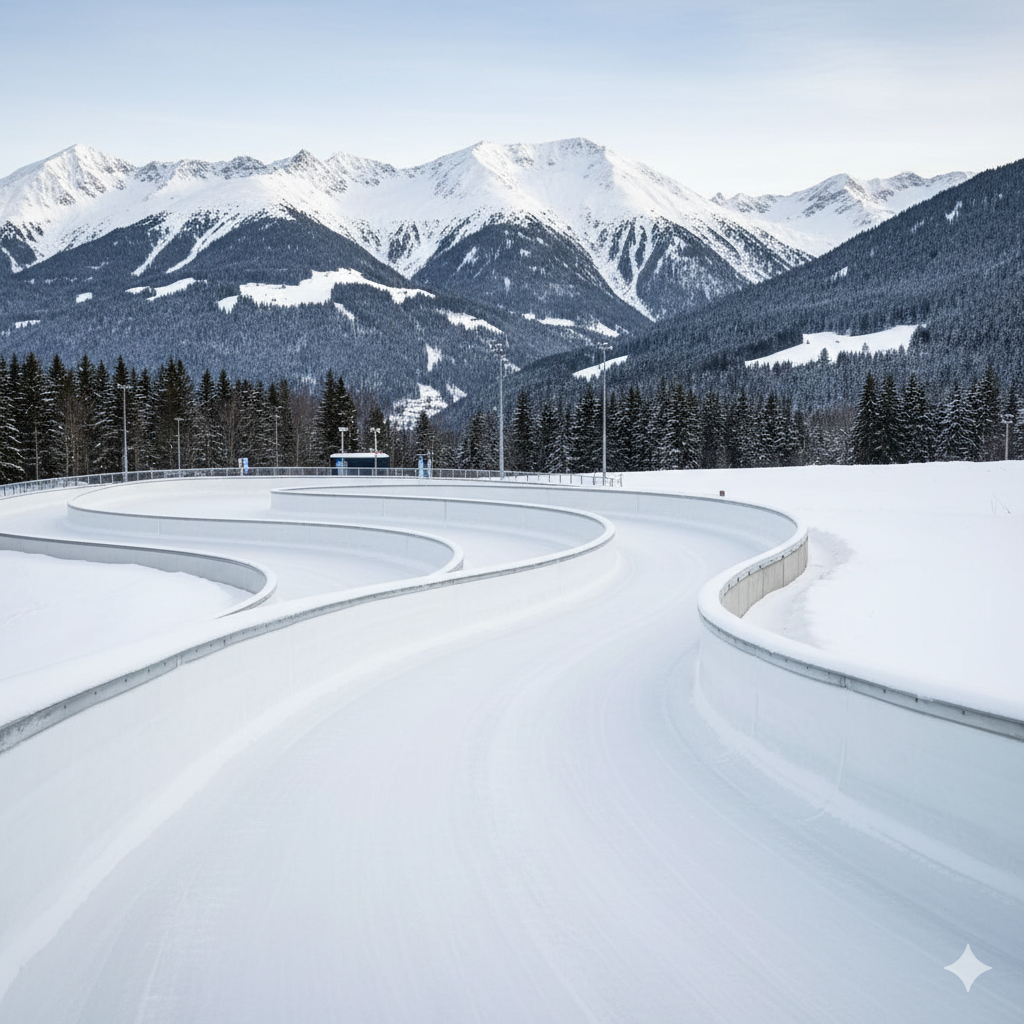
Rodeln, internationally known as luge, remains one of the most technically demanding and fastest disciplines in the Winter Olympic Games. With athletes reaching speeds well above 130 km/h on artificial ice tracks, the sport tests precision, nerve, and years of specialized training. Among all competing nations, Austria has consistently stood out as a traditional powerhouse in Olympic rodeln, backed by strong infrastructure and a deep sporting culture.
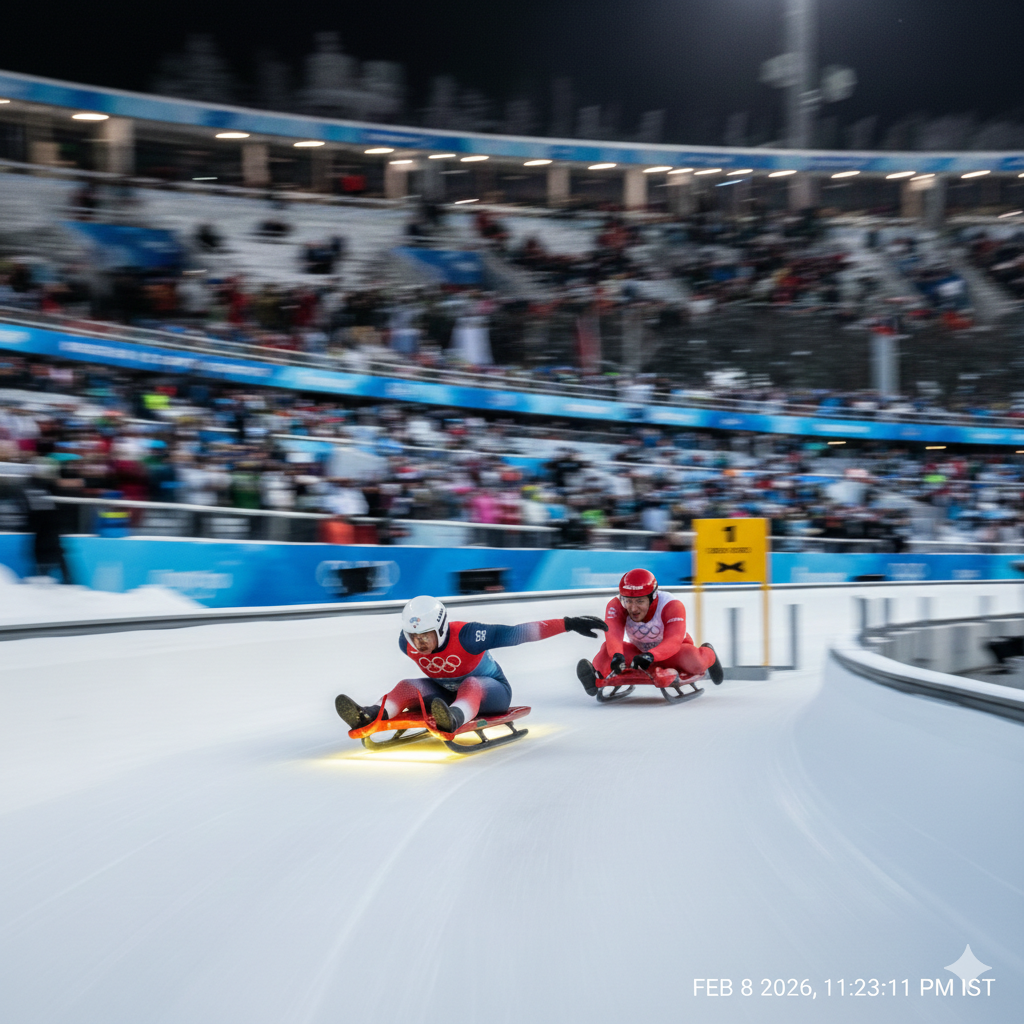
Rodeln Explained: One of the Fastest Winter Olympic Sports
Rodeln is a winter sliding sport in which athletes compete on a small sled, racing feet-first down an ice track. Unlike other sliding disciplines, steering is achieved entirely through subtle body movements and pressure, making control and technique far more important than brute force.
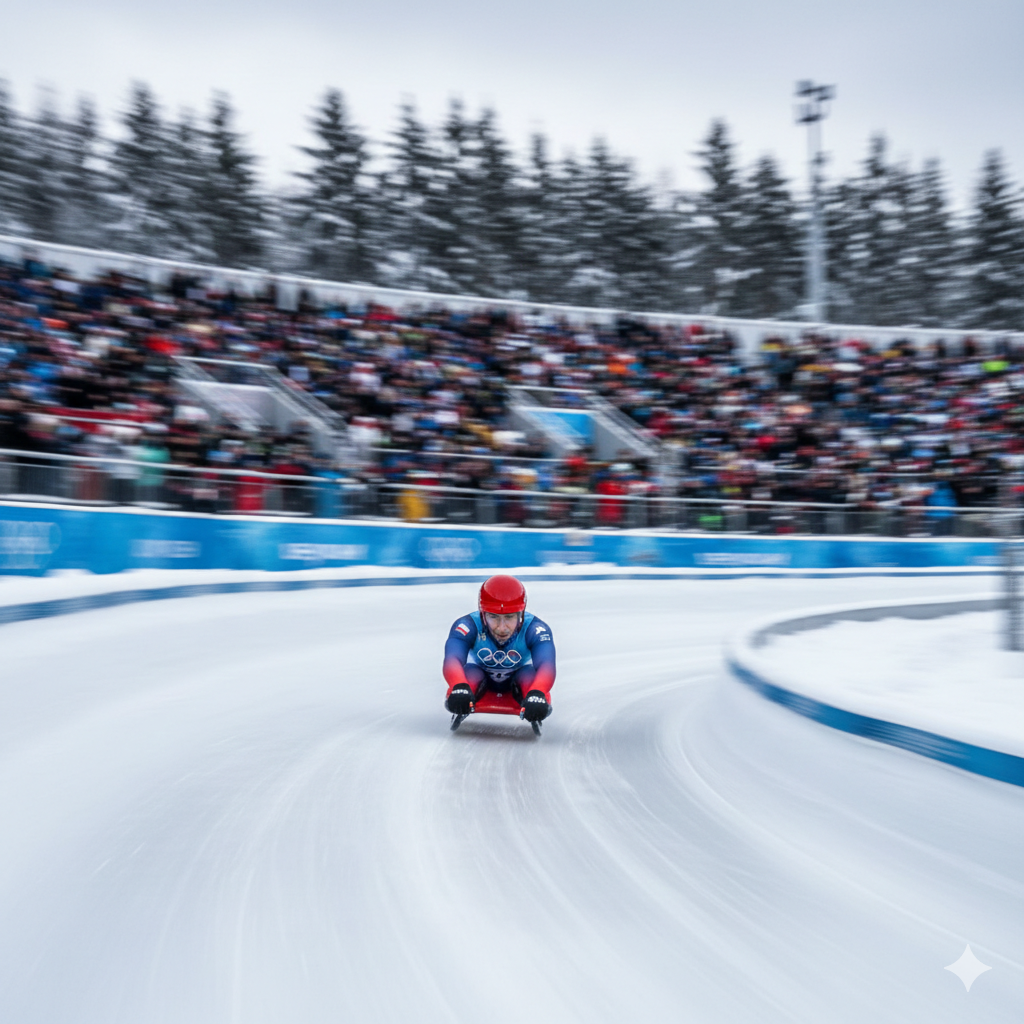
The sport is part of the Winter Olympic Games and includes multiple events, each decided by cumulative timing across several runs.
Austria’s Historic Role in Olympic Rodeln
Austria has long been associated with excellence in sliding sports, and rodeln is no exception. Since the sport’s inclusion in the Winter Olympics in 1964, Austrian athletes have been regular contenders for podium finishes.
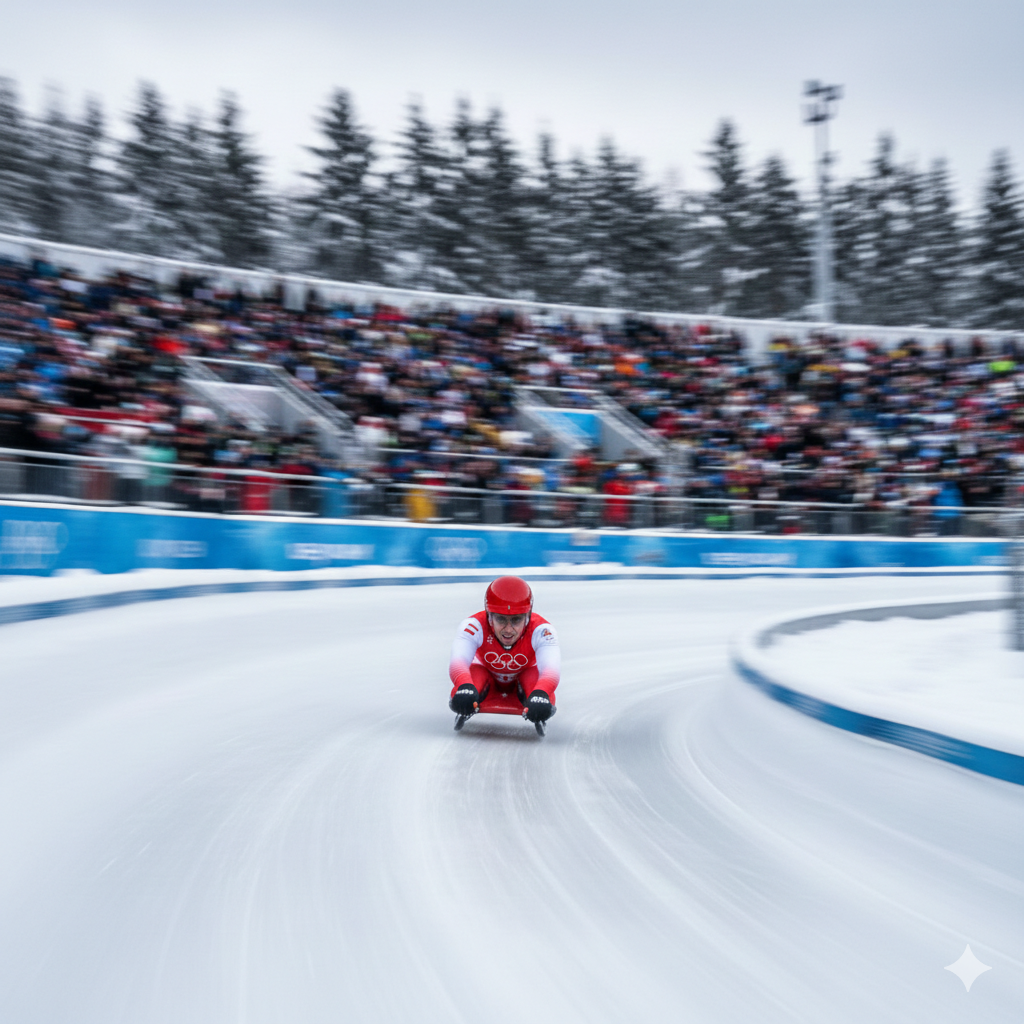
Several factors explain Austria’s sustained success:
- Access to world-class ice tracks in alpine regions
- Strong youth development programs
- Close cooperation between national federations and elite training centers
Rodeln is deeply embedded in Austria’s winter sports ecosystem, alongside alpine skiing and ski jumping.
Olympic Rodeln Events and Competition Format
At the Olympic level, rodeln competitions are divided into the following categories:
Men’s Singles
Individual male athletes compete over multiple runs, with the lowest combined time determining the winner.
Women’s Singles
Similar format to men’s singles, showcasing technical precision and consistency.
Doubles
Two athletes ride a single sled, requiring perfect synchronization and balance at high speed.
Team Relay
A combined event where athletes from different categories race sequentially, with time-based results deciding final rankings.
Austria traditionally fields strong entries across all categories.
Rules, Equipment, and Safety Standards
Olympic rodeln follows strict international regulations:
- Sled dimensions and athlete weight limits are tightly controlled
- Tracks must meet safety and design standards set by international governing bodies
- Helmets and protective equipment are mandatory
- False starts or equipment violations can lead to penalties
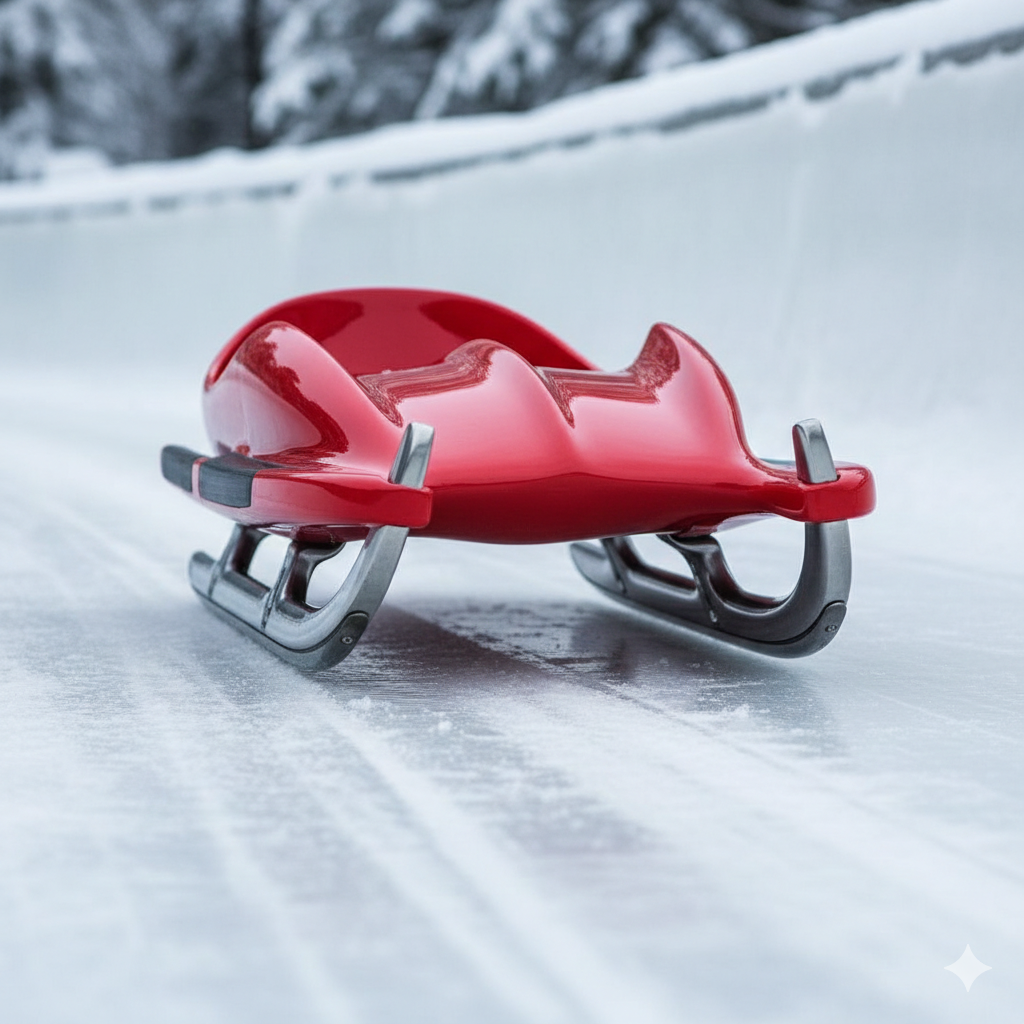
Over the years, improvements in sled design and track engineering have increased both safety and competitiveness.
Why Rodeln Remains Popular in Austria
Rodeln’s popularity in Austria is closely linked to geography and tradition. Alpine regions provide ideal natural conditions for winter sports, while local clubs play a crucial role in identifying and training young talent.
Key reasons for continued interest include:
- Strong media coverage during Winter Games
- National pride in sliding sports
- Proven success at international competitions
For Austrian audiences, rodeln is not just an Olympic event but part of a broader winter sports identity.
Expert Insight
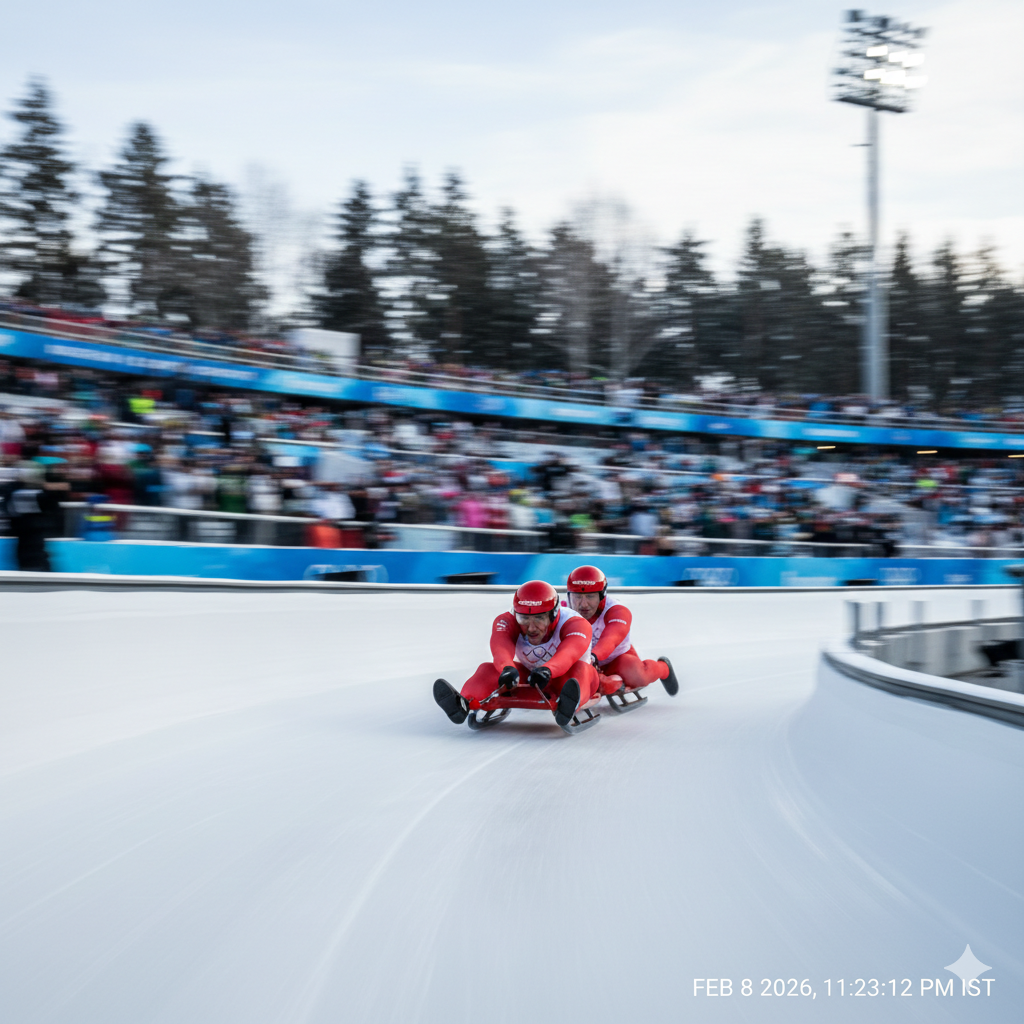
Sports analysts often point out that success in rodeln depends less on raw speed and more on track knowledge and mental discipline. Austrian athletes are widely respected for their technical consistency and ability to perform under pressure, especially on complex curves and high-speed sections.
Frequently Asked Questions
What is the difference between rodeln and luge?
There is no difference. “Rodeln” is the German term, while “luge” is the English name used internationally.
Is rodeln only part of the Winter Olympics?
Yes, rodeln is exclusively featured in the Winter Olympic Games.
Which countries dominate Olympic rodeln?
Austria, Germany, and Italy are traditionally among the strongest nations.
How fast do athletes go in Olympic rodeln?
Top speeds can exceed 130 km/h, depending on track design.
Conclusion
Rodeln continues to be one of the most thrilling events in the Winter Olympics, combining speed, precision, and years of technical mastery. For Austria, the sport represents a long-standing tradition of excellence and competitive strength on the international stage. As the Olympic program evolves, Austria’s role in rodeln remains a benchmark for performance and consistency in ice track racing. Click here to read more about this Rodeln Olympics