
U.S. Central Command (CENTCOM) announced on Monday that three U.S. Air Force F-15E Strike Eagle fighter jets were shot down over Kuwait in what officials described as an apparent friendly-fire incident. The announcement, linked to ongoing regional hostilities and air defense operations, may affect U.S. military personnel deployed in the Middle East and coalition partners operating in the Gulf region.
What Happened
On March 2, 2026, CENTCOM confirmed that three U.S. F-15E Strike Eagle aircraft were downed by Kuwaiti air defense systems amid active combat conditions involving Iranian aircraft, ballistic missiles, and drones. All six aircrew members ejected safely and were recovered in stable condition, CENTCOM said in its official statement.
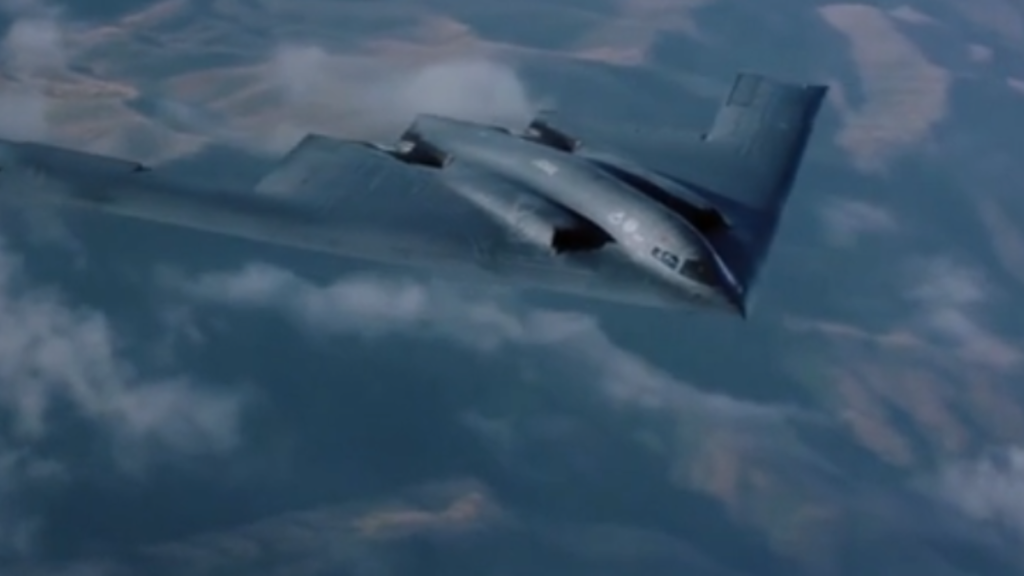
The aircraft were participating in operations over Kuwait when Kuwait’s air defense batteries mistakenly engaged them. Kuwaiti authorities acknowledged the incident and are cooperating with U.S. forces in ongoing reviews.
The incident occurred against the backdrop of heightened regional conflict following coordinated U.S. and allied military operations in response to Iranian missile and drone attacks. Kuwaiti military officials reported that several U.S. military aircraft crashed, with crews surviving and being transported to medical facilities for evaluation.
An investigation into the precise circumstances of the friendly-fire engagement is underway, with both U.S. and Kuwaiti defense representatives participating. Official statements have not yet detailed specific technical or procedural causes.
Who Is Affected
- U.S. Air Force personnel and deployed units – Potential operational reviews and flight safety assessments.
- U.S. Central Command operations – Reassessment of airspace deconfliction and coordination protocols with partner states.
- Kuwaiti defense forces – Immediate review of identification procedures for coalition aircraft.
- Regional coalition partners – Reflection on cooperative air defense measures during complex engagements.
- Military logistics and maintenance units – Possible inspections and procedural updates for similar aircraft.
Why This Matters
This incident underscores the challenges of operating advanced military aircraft in a congested and contested airspace during active hostilities. F-15E Strike Eagles are a key component of U.S. tactical airpower, and their loss—even in a non-hostile engagement—raises questions about coordination and identification systems among allied forces.
Supporters of ongoing U.S. military operations in the region argue that these missions are necessary to respond to evolving threats and to maintain deterrence against hostile actions. Opponents caution that intensified involvement in regional conflicts increases the risk of accidents, friendly-fire incidents, and unintended escalation.
Analysts note that friendly-fire incidents, while uncommon, are a recognized risk in fast-moving combat environments where multiple air defense systems and coalition aircraft operate simultaneously. Commanders often use such events to refine rules of engagement and improve command, control, and communication measures to prevent recurrence.
Both CENTCOM and Kuwaiti defense officials have highlighted the importance of cooperative investigation efforts to ensure operational safety and accuracy in future engagements.
What Happens Next
An official investigation is ongoing to determine the specific factors that led to the misidentification and engagement of U.S. aircraft by Kuwaiti air defenses. This review will include technical data from aircraft sensors, radar tracking logs, and air defense communication records.
Key upcoming steps include:
- Preliminary findings – Expected in the coming days as data is analyzed.
- Operational reviews – Joint U.S.-Kuwaiti assessments of airspace coordination protocols.
- Policy and procedural updates – Possible changes to air defense identification processes.
- Congressional briefings – Potential reports to oversight committees, depending on findings.
Formal updates from U.S. Department of Defense and Kuwaiti officials are anticipated as the investigation progresses.
Public & Political Reaction
Public and political responses have centered on the safe recovery of the aircrew and the complexities of operating in a dynamic conflict environment. Statements from defense officials emphasized gratitude for the recovery efforts and the cooperation between U.S. and Kuwaiti forces.
So far, there has been no significant partisan political debate in Washington directly tied to the friendly-fire incident, though broader discussions about U.S. involvement in Middle East hostilities continue in legislative and policy circles.
Defense analysts have described the event in professional terms, noting the need for rigorous after-action reviews to enhance safety and effectiveness.
Kuwaiti authorities likewise acknowledged the incident and affirmed continued coordination with U.S. military partners.
Key Takeaways
- U.S. Central Command confirmed three F-15E Strike Eagles were shot down over Kuwait.
- The aircraft were engaged during active hostilities involving Iranian aerial and missile attacks.
- All six U.S. aircrew ejected safely and were recovered in stable condition.
- Kuwait acknowledged the friendly-fire incident and is cooperating with investigations.
- A formal review is underway to determine causes and prevent future occurrences.
Frequently Asked Questions (FAQ)
Were any U.S. service members killed in the incident?
No. All aircrew members from the downed F-15Es safely ejected and were recovered in stable condition.
Why were the jets shot down by Kuwaiti air defenses?
Officials described the engagement as an apparent friendly-fire incident during complex combat operations; investigations are ongoing.
Will this affect ongoing U.S. military operations in the region?
Operational reviews and potential procedural updates may follow as part of broader efforts to improve airspace coordination.
Read More about this news Latest F-15 News.